
Loading...
Serving Hawthorne, CA and surrounding areas. (424) 307-8485
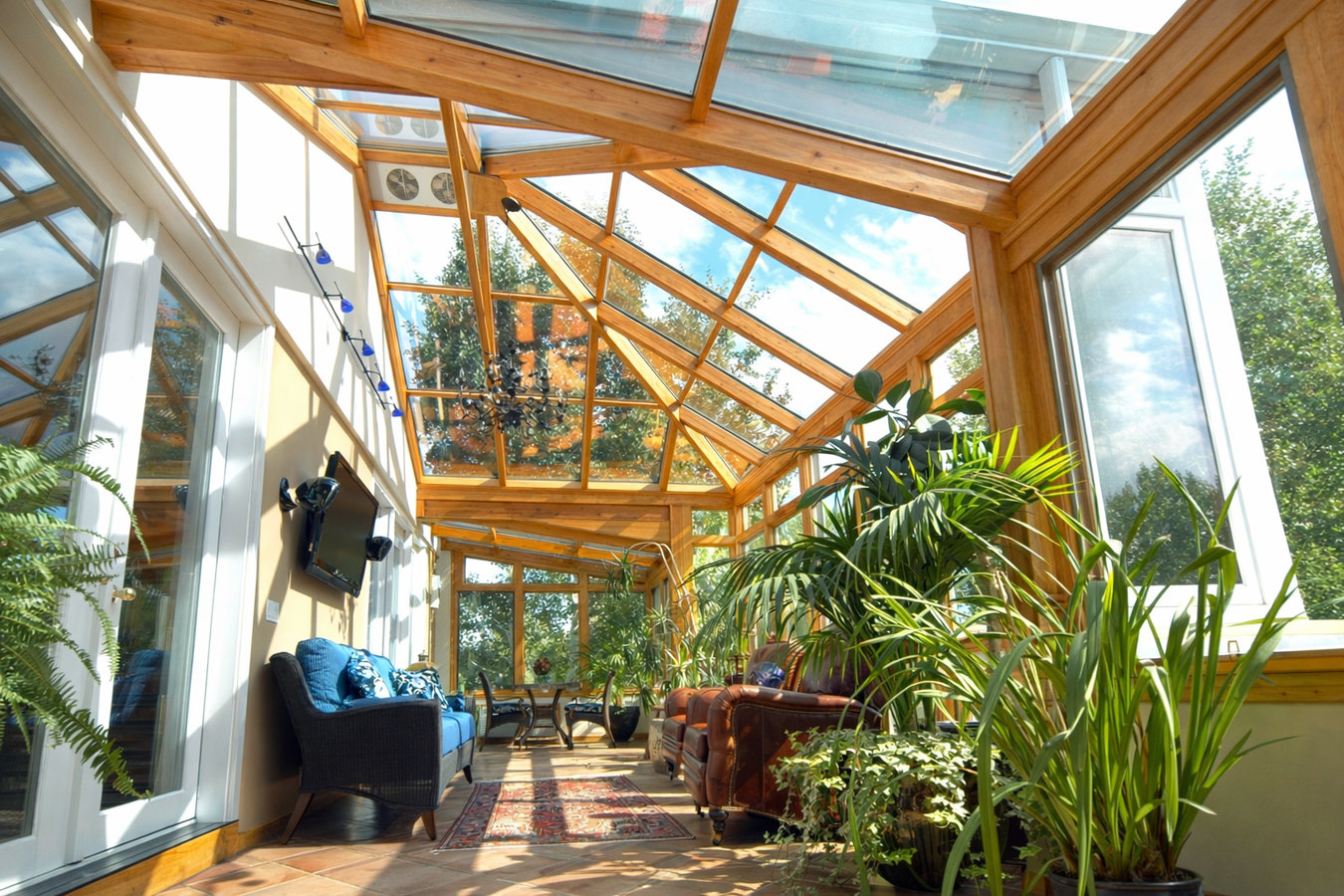
Hawthorne Sunrooms & Patios is the sunroom contractor Culver City homeowners call for solariums, sunroom additions, and custom enclosures - and we respond to every new inquiry within one business day.
Hawthorne Sunrooms & Patios is the sunroom contractor Culver City homeowners call for solariums, sunroom additions, and custom enclosures - and we respond to every new inquiry within one business day.
Culver City's dry, sunny climate makes a solarium installation one of the most light-efficient additions you can make to a postwar bungalow. Floor-to-ceiling glass captures natural light year-round, which suits the city's warm, low-rain summers well.
Most Culver City lots are compact, which means a custom sunroom designed to fit your specific footprint is often the only practical option. We design around your existing roof line and setback requirements so the addition looks like it was always there.
The 1940s and 1950s ranch homes that fill Culver City's neighborhoods were built before homeowners expected year-round indoor-outdoor living space. A permitted sunroom addition gives you that space without touching the rest of your home's footprint.
Many Culver City homes have small concrete patios off the back that sit unused most of the year because they offer no shade or protection from Santa Ana winds. Enclosing that space turns it into a room you can actually use without adding square footage to your building footprint.
Culver City winters are mild but the rain arrives between November and March, and a four season sunroom keeps that space usable through the wet months. Insulated frames and sealed glass manage the thermal load through the dry summer heat as well.
Santa Ana winds blow through Culver City every fall, and an enclosed patio room gives you a sheltered outdoor space that works even during those high-wind weeks. Screening or glass panels can be configured to open fully in calm weather and close tight when the gusts pick up.
Most homes in Culver City were built between 1940 and 1960, when the city grew quickly around the film industry. Those homes were designed for a different era - smaller rooms, fewer windows, and no expectation of year-round outdoor living space. Adding a sunroom or solarium to a home this age requires a contractor who understands how the original framing, rooflines, and stucco exteriors interact with a new addition. Get that wrong and you end up with a structure that looks out of place or, worse, one that lets water in when the winter rain arrives.
The clay-heavy soils under most of Culver City also create a specific challenge for any ground-level addition. Those soils expand when wet and contract when dry, which means a concrete slab poured without proper prep work will crack within a few seasons. We account for this in every foundation we set - using the right base material and expansion joints so your sunroom floor stays level through the seasonal cycles that are normal here.
Our crew works throughout Culver City regularly, and we understand the local conditions that affect sunroom contractor work here. Culver City operates its own Community Development Department - completely separate from the City of Los Angeles even though the two jurisdictions share a border. We pull permits directly through Culver City's building safety division and work with their inspectors, which means the permit process runs on Culver City's schedule, not the City of LA's.
The residential streets between Washington Boulevard and Jefferson Boulevard are where we spend most of our time in Culver City - one-story bungalows and ranch homes on small lots, often with short driveways and neighbors close on both sides. We know how to work efficiently in those tight spaces. The Sony Pictures lot on Washington Boulevard and the walkable stretch of downtown along Culver Boulevard are useful orientation points, but our work happens on the quiet residential blocks in between.
We also work regularly in Hawthorne and Inglewood, both of which share similar housing stock and soil conditions with Culver City. If you are on the Culver City side of the boundary, you are already in our regular service area.
Reach out by phone or through the contact form and we will respond within one business day. We ask a few questions about your home and what you have in mind so the site visit is focused and efficient.
We visit your Culver City property to measure, check the existing foundation and framing, and review your lot's setback requirements. You receive a written, itemized estimate before any work begins - no verbal quotes that change later.
We file the permit application with the Culver City Community Development Department and schedule the build once approval comes through. You do not need to manage any paperwork - we handle it.
Construction typically takes two to four weeks. The city inspector signs off at the end, and we do a final walkthrough with you so you know exactly how the space works before we leave.
We serve Culver City homeowners and respond within one business day. No pressure, no obligation - just a straightforward conversation about your project.
(424) 307-8485Culver City covers about five square miles in the heart of Los Angeles County - completely surrounded by the City of Los Angeles but operating as its own independent municipality with its own city hall, school district, and building department. The city grew rapidly in the 1940s and 1950s around the film and entertainment industry, which is why so many of its residential blocks are filled with bungalows and ranch homes from that era. The historic Sony Pictures lot on Washington Boulevard has anchored the city's identity since the early days of Hollywood, and the walkable downtown along Culver and Main Streets draws residents from across the city on weekends. More recently, Amazon Studios and Apple TV+ have set up operations here, adding a newer wave of homeowners alongside the long-established residents who have been here for decades.
The neighborhoods between Jefferson Boulevard and the southern edge of the city sit on small lots with homes built close together - typical for a city this dense. The Metro E Line runs through Culver City with stations at Culver City and Expo/Sepulveda, connecting residents to Santa Monica and downtown Los Angeles without a car. Neighboring Inglewood shares a similar housing mix of postwar homes on compact lots, and we work there just as regularly. To the south, Hawthorne is another area where we have been active since we first started serving this part of Los Angeles.
We serve Culver City and the surrounding South Bay - call today or submit the form and we will be in touch within one business day.